

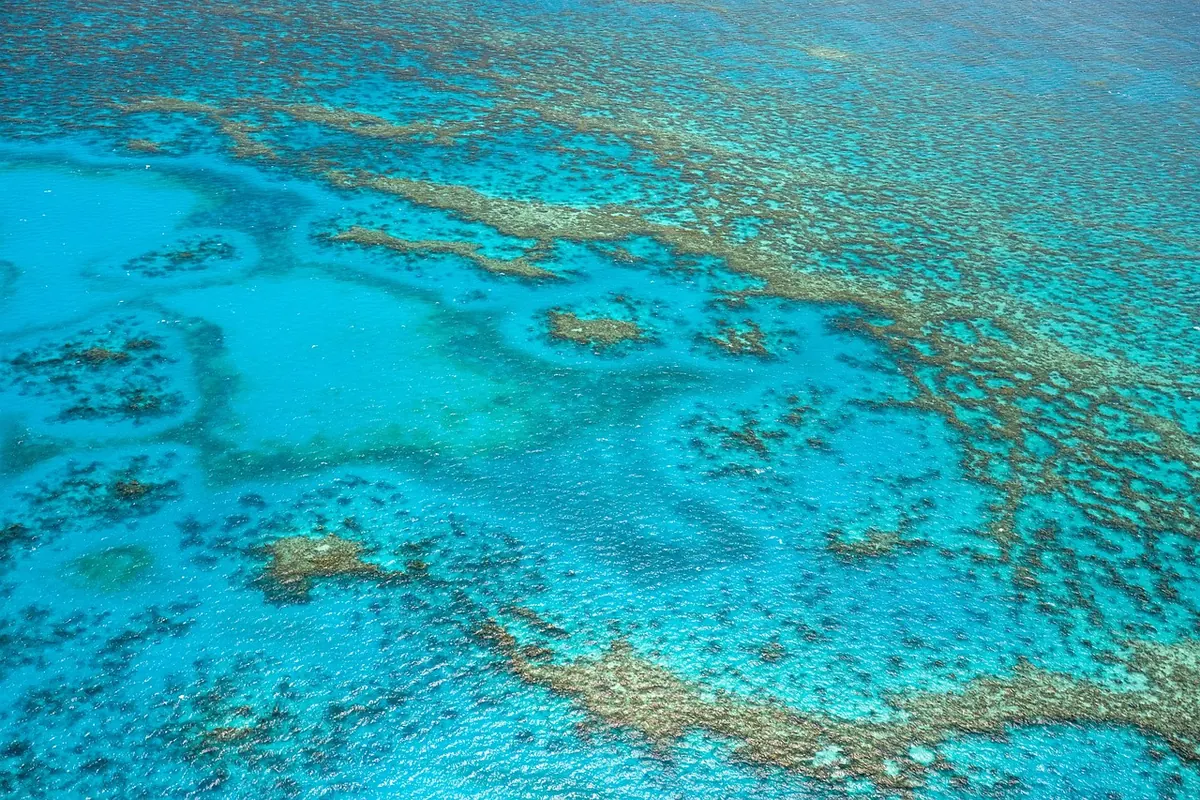
Mention coral reefs and most people picture warm, clear water and shoals of bright fish. The UK's own reef estate is stranger than that. Much of it is built by cold-water corals in deep, dark water off Scotland, around Rockall and along the continental shelf edge — slow-growing structures that may be centuries old. Add the tropical reefs of the Overseas Territories, from the Cayman Islands to the British Virgin Islands, and the UK is responsible for a genuinely global spread of coral habitat.
Sitting behind a good deal of the law and policy that protects those places is a treaty most people have never read: the Convention on Biological Diversity. Here is what it does, what it does not do, and how to use it.
What the Convention on Biological Diversity actually is
The Convention opened for signature at the Rio Earth Summit in 1992 and came into force the following year. The UK ratified it in 1994, and nearly every country in the world is now a party. It rests on three objectives: conserving biological diversity, using its components sustainably, and sharing the benefits that come from genetic resources fairly and equitably. Two protocols sit alongside it — Cartagena on biosafety, Nagoya on access and benefit-sharing.
The thing to understand is that it is a framework treaty. It sets goals and obligations of conduct, then leaves each country to decide how to meet them. No international ranger service turns up at a reef. Its influence comes from being translated into domestic law, strategy and targets, and from the reporting and review that follow.
How a treaty reaches a reef
The chain of translation is roughly this: treaty commitment, national strategy and targets, domestic legislation and regulator guidance, then decisions about specific places.
For a cold-water reef in Scottish offshore waters, that chain runs through legislation such as the Marine and Coastal Access Act 2009 and the Marine (Scotland) Act 2010 for marine protected areas, the offshore habitats regulations for Special Areas of Conservation, conservation advice from the Joint Nature Conservation Committee, and fisheries measures agreed between the UK and devolved administrations. For a reef in a Caribbean territory, the route runs mainly through local ordinances and planning decisions, with UK-level commitments in the background.
One caveat matters. Treaties of this kind generally do not create freestanding rights you can enforce in a UK court on your own behalf. They influence how legislation is read and how ministers and regulators exercise discretion, and they carry political weight. That is still useful when you are arguing about a licence, a fishing measure or a management plan.
What the Convention asks of the UK
The core obligations are procedural and strategic rather than site-specific. In broad terms, parties commit to:
- prepare and keep updated a national biodiversity strategy and action plan, with targets;
- identify and monitor the components of biodiversity that matter most for conservation, and the activities likely to harm them;
- establish and manage protected areas, and restore degraded ecosystems;
- integrate biodiversity concerns into sectoral policy — fisheries, energy, shipping, planning;
- tackle pressures such as pollution, invasive species and unsustainable use;
- apply a precautionary approach where the evidence is uncertain;
- report progress to the Conference of the Parties at regular intervals.
Notice that none of these words mention coral. That is the point. The Convention shapes the machinery, and the machinery decides what happens to a reef.
Two kinds of UK reef, two sets of problems
Cold-water reefs
These grow slowly, sit out of sight, and are easily damaged by bottom-contacted fishing gear, cables, and oil and gas activity including decommissioning. Warming and acidification add longer-term pressure. Protection usually means spatial closures and gear restrictions, and enforcing those far offshore is genuinely difficult.
Tropical reefs in the Overseas Territories
Here the dominant pressures are marine heatwaves and bleaching, storms, coastal development, sewage and invasive species such as lionfish. Most of the legal levers are local. The UK's global biodiversity commitments increasingly refer to the territories, but the practical picture is uneven and depends on local capacity and political will. When you advocate for these reefs, check which government actually holds the decision.
The Kunming-Montreal framework: what changed in 2022
At COP15 in Montreal, parties adopted the Kunming-Montreal Global Biodiversity Framework, a set of 23 targets for 2030. The best known is Target 3, the commitment to conserve at least 30 per cent of land and sea by 2030 — with the emphasis on areas important for biodiversity and on effective management. Coral reefs fall squarely inside it.
For reef advocates, the useful shift is from counting to quality. A line drawn on a map is not protection. The framework asks whether a site has management, monitoring, enforcement and, where necessary, restoration. It also expects countries to update their national strategies and report on progress; COP16 in Cali in 2024 turned attention to how those promises get funded and delivered.
What this means in practice for advocates
- Find the layer that actually governs the reef. Fisheries management, marine licensing, MPA management measures, or local planning in a territory. Arguing at the wrong layer wastes a year.
- Read the current UK biodiversity strategy and action plan. If your reef's pressures are not named in it, that gap is itself a point you can make in a consultation.
- Ask for the paperwork. Conservation advice, condition assessments and site management measures are often published for offshore MPAs, and regulators hold more. Requests for information create a record.
- Answer consultations in the Convention's language. Responses to consultations on fisheries measures, marine plans and licences are read. Tie objectives such as in-situ conservation, restoration, precautionary action and effective 30x30 to one concrete ask.
- Use domestic duties. Public authorities have biodiversity duties under the Environment Act 2021 and equivalent devolved legislation, and the Office for Environmental Protection scrutinises progress against environmental commitments in England.
- Escalate politically. MPs, devolved ministers, petitions and committee inquiries are cheap, public and on the record.
- Keep the dates. Strategy reviews and national reports run on cycles. A deadline is the best moment to submit evidence.
This is general information about how the framework operates, not legal advice. If you are considering a challenge to a specific decision, take advice from a solicitor experienced in public and environmental law.
A sensible first move
Pick one reef. Write down who decides what about it — fisheries, licensing, planning, site management — and find the current national strategy to see whether its pressures appear there. Then send one short, specific submission or letter that quotes the obligation it engages. Reef protection has always moved through that kind of steady, well-aimed pressure, and the Convention gives you the vocabulary to apply it.
Photo: xiSerge / Pixabay